


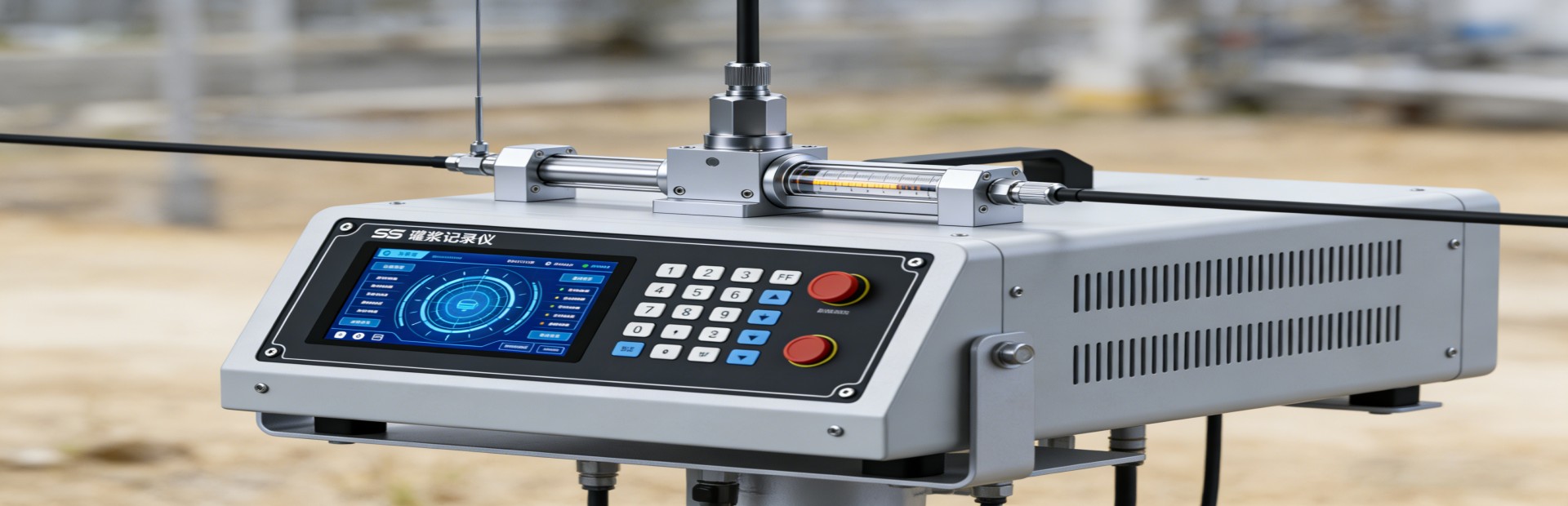
- Yunnan Jinsha River Liyuan Hydropower Station NW-III-3D Grouting System
- time:2023-05-18 09:59:34
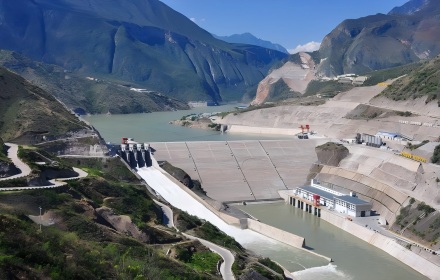
Basic Overview
- Location: At the border of Yulong County, Lijiang City, Yunnan Province, and Shangri-La County (or Shangri-La City), Diqing Prefecture, on the mainstream of the Jinsha River
- Project Positioning: The third cascade hydropower station in the "One Reservoir, Eight Cascades" development plan for the middle reaches of the Jinsha River; a national "West-to-East Power Transmission" power source and a Class I large (1) engineering project
- Engineering Purpose: Primarily for power generation, with additional benefits for flood control and tourism
-
Sales quantity: 19 sets of grouting recorders, equipped with flow meters, pressure gauges, density meters, heave observation devices, data logging systems, and data processing software
Engineering Scale
- Installed Capacity: 2,400 MW (4 × 600 MW units)
- Annual Power Generation: Over 10.7 billion kWh (with upstream Longpan Reservoir coordination)
- Maximum Dam Height: 155 meters
- Total Reservoir Capacity: 805 million cubic meters
- Normal Pool Elevation: 1,618 meters
- Dead Water Level: 1,602 meters
- Drainage Basin Area at Dam Site: 220,000 km²
- Average Annual Flow: 1,430 m³/s
- Total Investment: Approximately 16.12 billion yuan (static investment: ~14.158 billion yuan)
Construction Timeline
- August 2007: Project preparation began
- May 2008: Diversion tunnel construction started
- January 2013: Approved by the National Development and Reform Commission (NDRC)
- November 2014: Reservoir impoundment began
- December 2014: First generating unit commissioned
- August 2016: Full completion (all 4 units operational)
- July 2023: Passed final acceptance inspection (Yunnan's first large hydropower project to achieve this)
Technical Features and Innovations
- Dam Type: Concrete Face Rockfill Dam (CFRD)
- Innovative Techniques:
- One-stage construction of 155m high dam
- Breakthroughs in utilizing large-scale glacial deposits near the dam
- Optimized panel joint waterproofing structure
- "High-pressure drilling + concentric drilling tools" combination process
- GPS positioning technology for construction quality control
- Innovative use of glacial deposits as dam filling material
- Engineering Quality: Seepage rate of only 10 L/s, rated as the best anti-seepage performance among similar global projects
Project Benefits
- Power Generation:
- Cumulative power generation exceeded 74.27 billion kWh by March 31, 2023
- Exceeded 77.7 billion kWh by end of 2024
- Equivalent to saving 24 million tons of standard coal and reducing 63 million tons of CO₂ emissions
- Awards:
- 2022: National Quality Project Award
- 2023: Zhan Tianyou Award for Civil Engineering
- July 2023: Passed final acceptance (Yunnan's first large hydropower project to achieve this)
- Socio-Economic Benefits:
- Generated over 74.2 billion kWh, equivalent to 61.4 million tons of CO₂ reduction
- Critical power support for Yunnan's "West-to-East Power Transmission" strategy
- Promoted local economic development and employment
Construction Units
- Owner: Yunnan Jinsha River Midstream Hydropower Development Co., Ltd. (Shareholders: China Huadian Group 33%, China Huaneng Group 23%, China Datang Corporation 23%, Hanergy Holding Group 11%, Yunnan Investment Holding Group 10%)
Environmental and Social Impact
- Basin Impact: Operates with upstream Longpan Reservoir for weekly regulation, providing flow regulation benefits to downstream cascade stations
- Flood Control: Sacrificed power generation in 2018 to store 300 million m³ of floodwater during the Jinsha River landslide dam incident
- Ecological Benefits: Annual fish breeding and release programs, releasing 17 endangered/endemic species
The Lihua Hydropower Station is a critical component of the Jinsha River midstream cascade development. Its successful construction not only supports the "West-to-East Power Transmission" strategy but also sets benchmarks in technological innovation, environmental protection, and ecological sustainability within the industry.
Hunan Nuowei Technology Co., Ltd

Hunan Nuowei Technology Co., Ltd
Science and technology are the primary productive forces