


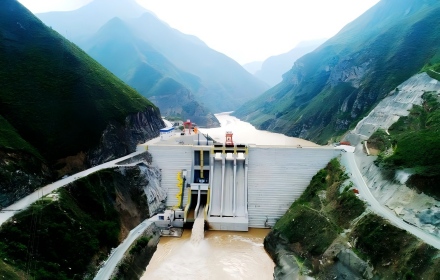
- Ecuador Minas Hydropower Station
- time:2026-01-26 19:33:17
Basic Information
- Location: On the Coca River in the province of Sucumbíos, Ecuador, approximately 150 km east of the city of Coca.
- Project Positioning: Key renewable energy project under Ecuador’s National Energy Strategy; part of the "Belt and Road" initiative in Latin America.
- Total Installed Capacity: 240 MW (3 × 80 MW Francis turbine-generator units).
- Annual Power Generation: 920 million kWh (estimated).
- Engineering Type: Run-of-river hydroelectric plant (no large reservoir, utilizing natural river flow).
-
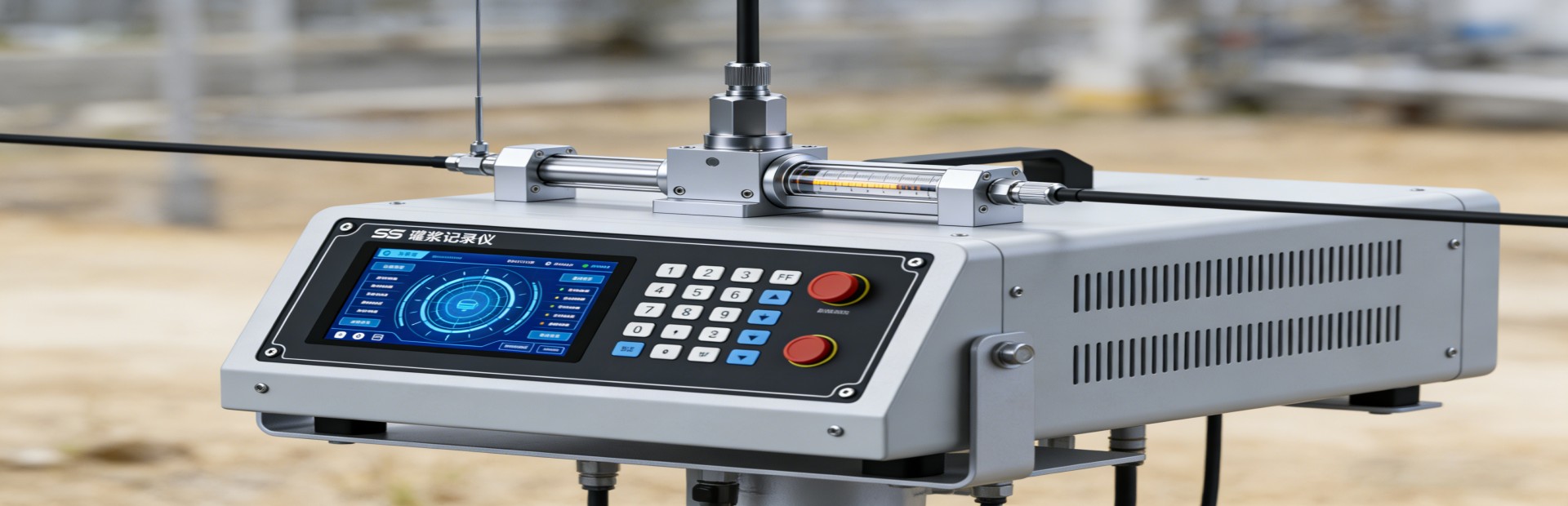
Sales quantity: 10 sets of grouting recorders, equipped with flow meters, pressure gauges, density meters, heave observation devices, data logging systems, and data processing software
Technical Specifications
Parameter Value Dam Type Concrete gravity dam Maximum Dam Height 25 meters Average River Flow 1,800 m³/s Head (Water Drop) 22 meters Reservoir None (run-of-river design) Construction Start 2018 Completion Date 2022 Commercial Operation March 2022
Project Timeline
- 2018: China Power Construction Corporation (PowerChina) awarded design and engineering support contract.
- 2019–2021: Civil works, dam construction, and turbine installation.
- March 2022: All three units commissioned; power delivered to Ecuador’s national grid.
- 2023–2024: Grid integration optimization and local capacity training.
Key Features & Innovations
- Zero Reservoir Design:
- Avoided land inundation and displacement (no resettlement required).
- Preserved 8,000 hectares of Amazon rainforest and agricultural land.
- Eco-Conscious Construction:
- Fish passage system to protect migratory species in the Coca River.
- Minimum ecological flow maintained (60% of natural river flow).
- Local Workforce Development:
- 75% of construction workforce hired locally (over 1,500 Ecuadorian workers).
- Training for 400+ Ecuadorian technicians in turbine maintenance and grid operations.
- Smart Monitoring System:
- AI-driven predictive maintenance reduced downtime by 30%.
- Real-time power output optimization for grid stability.
Project Benefits
✅ Energy Security
- Increased Ecuador’s renewable energy share from 55% to 62% (national grid).
- Supplies power to 1.2 million households and 200+ industrial facilities.
- Reduced electricity costs from $0.15/kWh to $0.08/kWh (with government subsidies).
✅ Economic Development
- Created 3,000+ direct/indirect jobs during construction and operation.
- Funded 10 rural electrification projects in Amazonian communities (total 25 MW capacity).
- Boosted local agriculture: 12,000 hectares of farmland now irrigated via project-linked canals.
✅ Environmental Impact
- Annual CO₂ reduction: 600,000 tons (equivalent to planting 8 million trees).
- Zero deforestation due to run-of-river design.
- Improved river water quality through sediment management.
Project Partners & Investment
Role Entity Owner Ecuador’s National Electricity Company (ENEE) Engineering Partner China Power Construction Corporation (PowerChina) Financing Chinese Exim Bank "Two Preferential Loans" (USD 210 million) Local Partner Ecuador Ministry of Energy and Mines
Strategic Significance
- National Level: Critical to Ecuador’s "Energy for All" 2025 plan (target: 100% renewable electricity).
- Regional Impact: Supports the "Andean Power Grid" integration with Peru and Colombia.
- Belt and Road: Largest Chinese infrastructure investment in Ecuador (USD 210 million).
- Sustainability Model: Demonstrated "low-impact, high-benefit" hydro development for tropical river basins.
Recognition & Awards
- 2023: Honored as "Best Sustainable Infrastructure Project" by the Latin American Energy Organization (OLADE).
- 2024: Featured in the World Bank’s "Clean Energy for the Amazon" case studies.
- Ecuador President Daniel Noboa: Called it "a game-changer for sustainable energy in the Amazon."
Mina de Agua Hydropower Station: Powering Ecuador’s Amazon Future
As Ecuador’s largest run-of-river hydro project, Mina de Agua delivers clean, affordable energy without displacing communities or harming the Amazon ecosystem. It embodies the "Belt and Road" principle of sustainable, community-centered development—proving that renewable energy expansion can coexist with biodiversity conservation. The project has become a model for similar initiatives across Latin America’s river basins, where energy access and environmental protection are equally vital.
Hunan Nuowei Technology Co., Ltd

Hunan Nuowei Technology Co., Ltd
Science and technology are the primary productive forces