

- IoT-Integrated Technologies: Transforming Traditional Industries and Driving Innovation
- time:2023-05-18 09:59:34
IoT-Driven Transformation: Reshaping Traditional Industrial Enterprises
I. Era Context: From Internet to IoT-Enabled Industrial Upgrades
- Internet: Revolutionized human lifestyles (e.g., mobile payments, social networks);
- IoT: Will redefine enterprise production methods, driving strategic breakthroughs in China’s advanced technologies.
China’s "New Infrastructure" strategy (reaffirmed in 2020) and "Made in China 2025" initiative, aligned with Germany’s Industry 4.0, signal IoT as the core engine for traditional industry upgrades.
II. Three Key Transformations of IoT in Traditional Enterprises
1. Production Efficiency: From "Experience-Driven" to "Data-Driven"
Traditional Model IoT-Enabled Model Engineering Industry Example Reliance on manual experience for decisions Smart factory upgrades dynamically adjust production speed based on orders Real-time monitoring of pile depth, verticality, grouting volume in construction, auto-alerting anomalies to prevent rework High inventory, high costs, high risks Reduces material waste, lowers inventory, achieving "minimizing losses equals profit" Precision cement control in soft foundation treatment, saving costs by 30%+ Inefficient personnel scheduling Intelligent scheduling optimizes workflows Supervisors use remote data platforms for real-time oversight, reducing on-site labor Core Value: Reduced quality risks + Improved cost efficiency.
2. Resource Integration: From "Manual Statistics" to "Cloud Collaboration"
- Traditional Pain Points: Operation records rely on manual statistics, leading to fragmented, error-prone data;
- IoT Solutions:
- Sensors digitize analog signals (e.g., pressure, density, current);
- Cloud integration aggregates multi-source data into a unified resource pool (e.g., project progress, equipment status, environmental parameters);
- Seamless human-machine interaction: Devices and wearables enable real-time control (e.g., smart communities allowing residents to monitor noise, air quality, and security via mobile apps).
Case Study: Smart communities use IoT to share noise, temperature, and security data, aiding crime prevention and emergency response—data becomes a tradable production asset.
3. Business Models: From "Product Sales" to "Service Value"
- Traditional Model: Enterprises sell hardware (e.g., industrial machine tools) with passive after-sales support;
- IoT-Driven Transformation:
- Embedded Sensors: Real-time monitoring of equipment data (tool wear, bearing degradation);
- Data-Driven Services: Predictive maintenance (e.g., engineers dispatched before failures), deepening customer relationships;
- Secondary Sales Opportunities: Maintenance services drive upgrades or accessory sales.
Engineering Industry Application: Owners use sensors to monitor project quality in real time, while contractors leverage IoT data as compliance proof to mitigate liability risks.
III. Hunan Nuowei Technology: A Benchmark in IoT-Enabled Engineering
Solutions
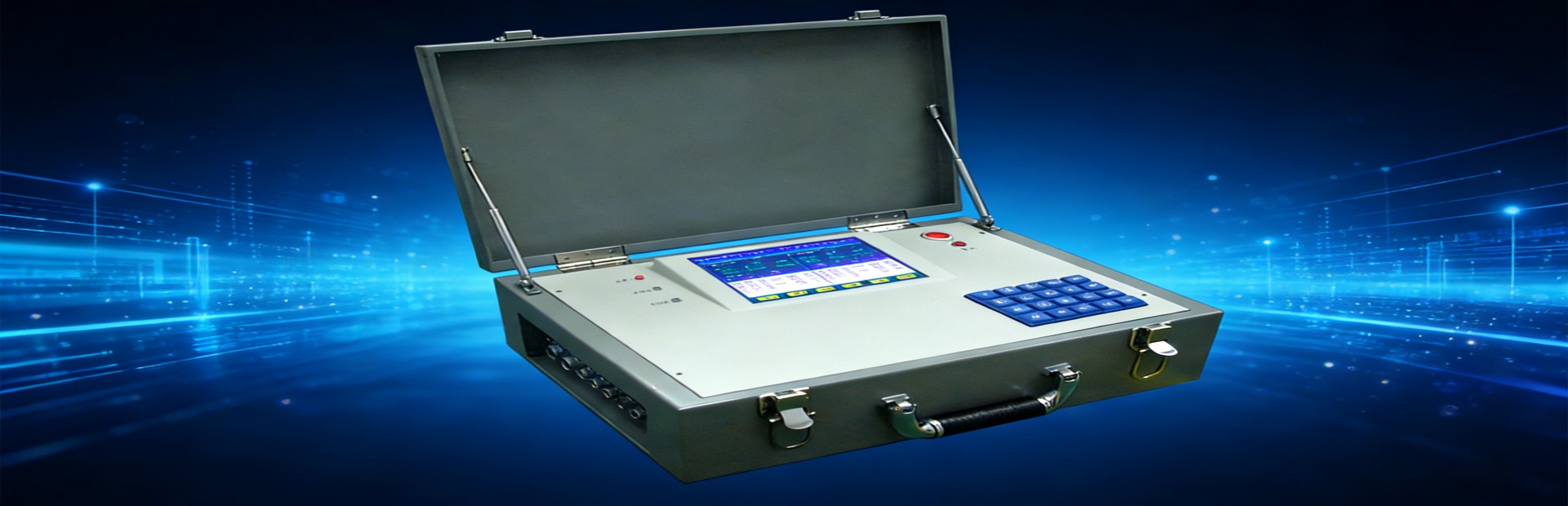
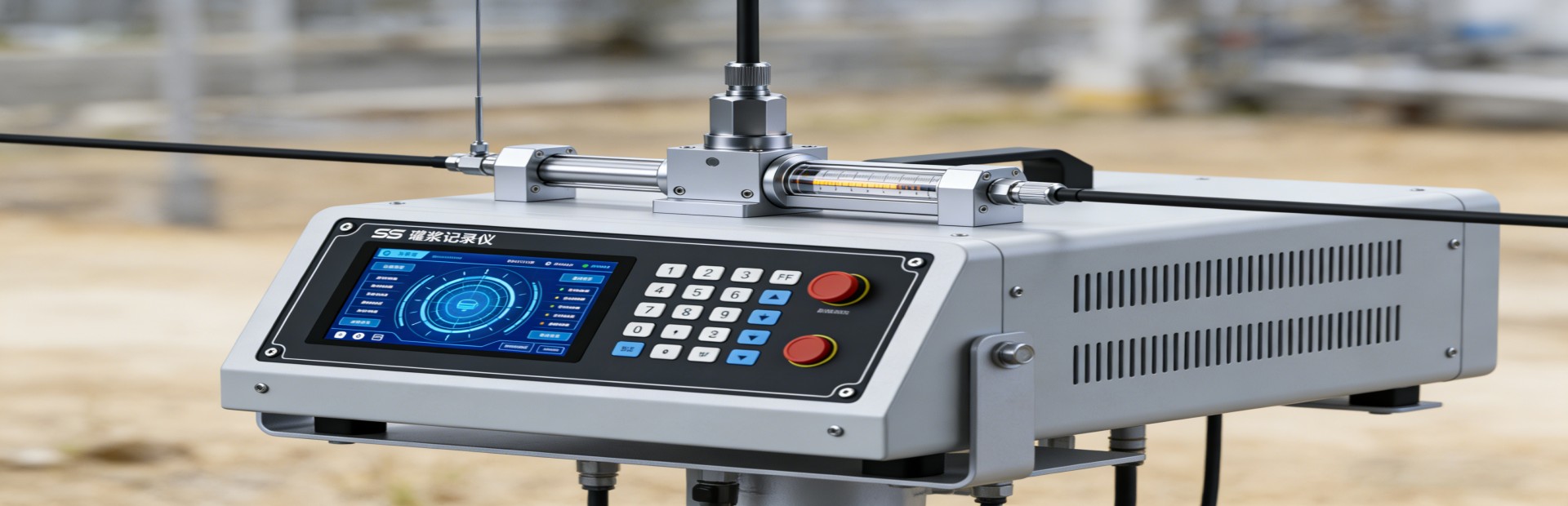
- Core Products: Intelligent pile foundation monitoring systems (integrating BeiDou positioning, flow meters, density sensors, pressure gauges);
- Key Benefits:
- Real-time acquisition of pile depth, verticality, grouting volume, and slurry density;
- Cloud storage + remote visualization for quality traceability and supervisory collaboration;
- Reduces rework rates, improves acceptance efficiency by 40%, cuts costs by 30%.
Industry Impact
"From Passive Compliance to Proactive Service":
- Owners: Transparent quality assurance and real-time decision-making;
- Contractors: Data-driven risk mitigation and enhanced service value;
- Supervisors: Shift from "on-site oversight" to "data dashboard management".
IV. Future Outlook: IoT Will Eliminate Outdated Capacity and Reshape Industrial Ecosystems
Stage Current State Future Trends Technology Penetration 5G+AI applied in niche scenarios (e.g., pile monitoring) Fully automated workflows (AI-cluster autonomous construction) Industrial Elimination Manual quality checks phased out Inefficient capacity eliminated; tech-driven enterprises dominate Corporate Strategy IoT pilot programs Seizing technological high ground as the top priority for Chinese enterprises Key Conclusion:
IoT is not just a tool but a fundamental logic for redefining enterprise value—data becomes a new production asset, services redefine business models, and efficiency establishes new competitive barriers.
Hunan Nuowei Technology Co., Ltd

Hunan Nuowei Technology Co., Ltd
Science and technology are the primary productive forces