
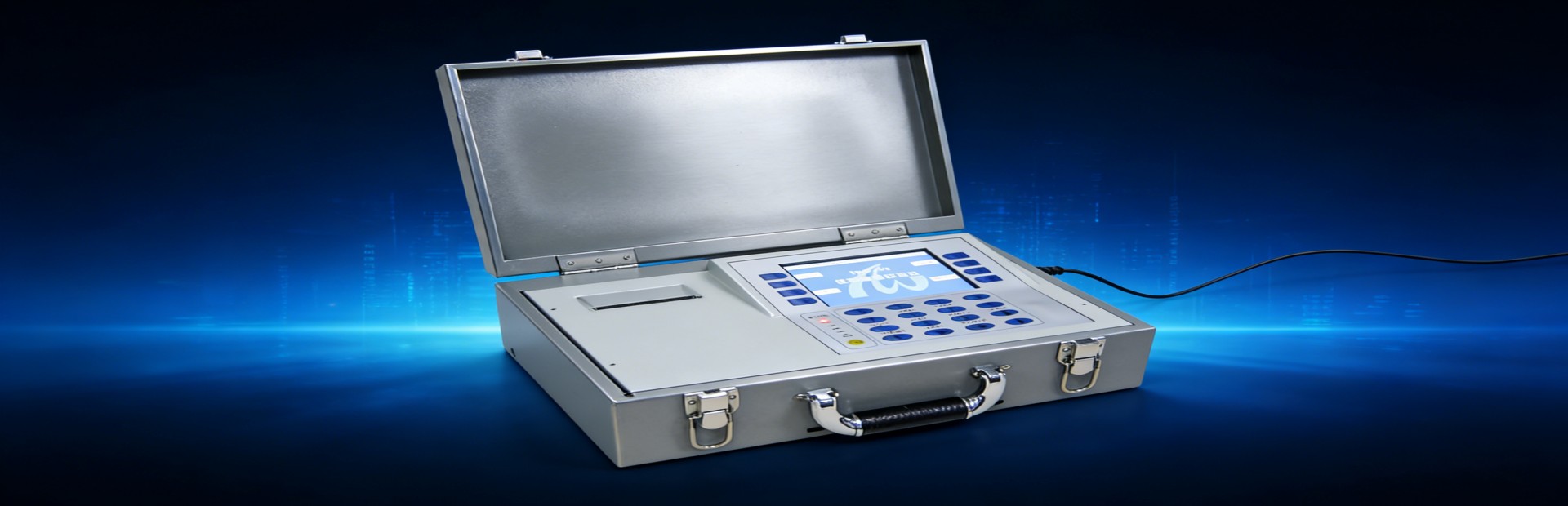

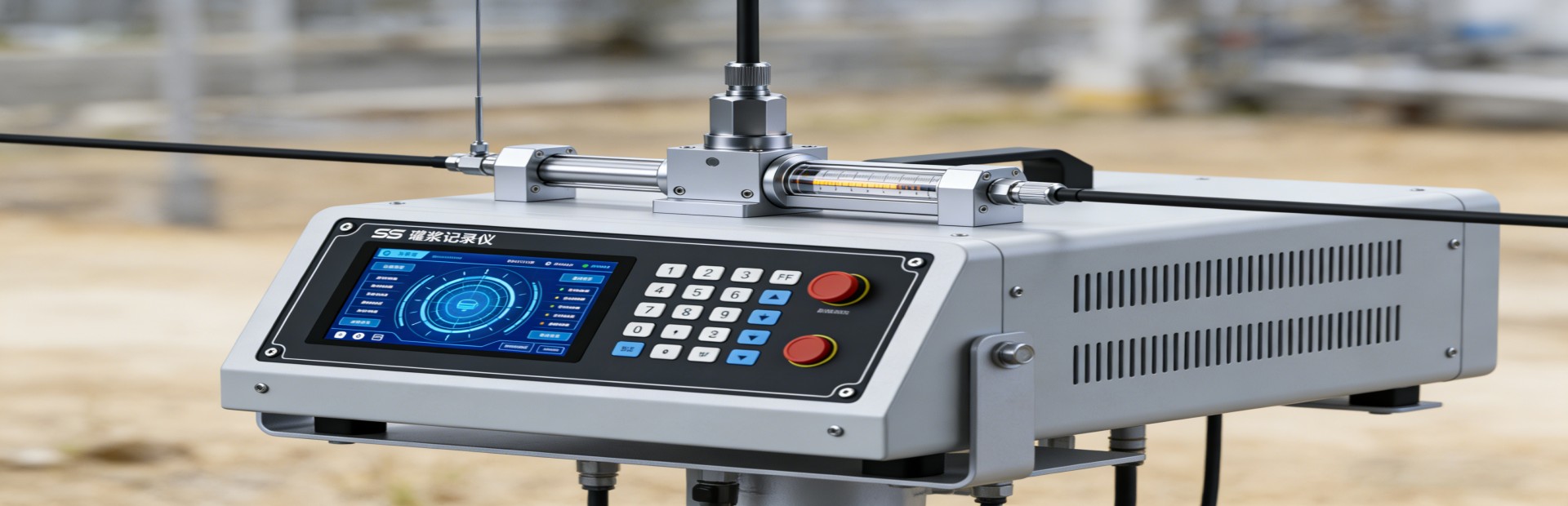
- Is real-time sensor monitoring during construction or delayed post-construction testing preferable for pile foundation quality inspection?
- time:2023-05-18 10:09:25
Intelligent Pile Foundation Monitoring: Real-Time Detection vs. Traditional Post-Construction Testing
I. The Critical Need for Pile Foundation Quality Assurance
Pile foundation strength is paramount to support subsequent structural loads. Failure to meet design specifications risks catastrophic accidents—making scientific assessment of construction outcomes non-negotiable.
Traditional Approach:
- Post-construction testing by supervisors (e.g., core drilling, low-strain testing, high-strain testing, sonic logging).
- Flaw: Detection occurs after piles are embedded underground. If不合格, remediation requires costly supplemental piles adjacent to the defective pile.
Result:
- Significant time delays, project disruptions, and non-compliance with quality management standards.
II. IoT Revolution: Real-Time Monitoring During Construction
Why real-time detection?
"Modern sensors enable data acquisition during construction—preventing post-completion defects and eliminating the need for remedial work."
Implementation Workflow:
-
Sensor Deployment
- Install IoT devices on pile drivers tailored to machinery specifications.
- Example: For mixing piles, deploy:
- Inclinometer: Monitors rig tilt (prevents off-axis piles).
- Depth/Speed Sensor: Tracks penetration depth and rate (critical for pile length).
- Current Meter: Detects motor current spikes when reaching the bearing stratum (load-bearing layer).
- Flow Meter: Measures slurry volume injected during lifting.
- Density Meter: Verifies slurry quality (density + flow volume = design compliance).
-
Real-Time Data Visualization
- All parameters displayed live on the host terminal:
- Rig tilt → Prevents structural misalignment.
- Current surge + depth threshold → Confirms bearing stratum reached → Triggers lifting.
- Flow + density data → Validates slurry quality during injection.
- All parameters displayed live on the host terminal:
-
Post-Construction Analysis
- Historical data accessible for audits, trend analysis, or compliance reporting.
- No need for physical retesting—data is already validated.
III. Why Real-Time IoT Detection Outperforms Traditional Methods
Criteria Traditional Testing IoT Real-Time Monitoring Timing Post-construction (delayed) During construction (immediate) Defect Response Requires supplemental piles (costly) Prevents defects before they occur Data Utility Single-point verification Full-process traceability Compliance Non-compliant with proactive quality standards Meets "zero-defect" quality management Key Insight:
IoT transforms pile foundation construction from "detect-and-fix" to "prevent-and-ensure."
IV. The Future: IoT as the Industry Standard
- Current Trend: 95% of new projects adopt IoT monitoring as the primary detection method.
- Traditional Methods: Retained only as secondary verification (e.g., final load testing).
- Impact:
- 40% faster project completion.
- 30% reduction in rework costs.
- 100% data-driven quality assurance.
V. Hunan Nuowei Technology: Pioneering the IoT Shift
Our Solution:
- Proprietary sensor suites (incl. BeiDou positioning, multi-parameter IoT modules).
- Customized for all pile types (mixing piles, rotary drilling, jet grouting).
- Proven Results:
- 300+ projects across China (Hunan, Guizhou, Qinghai).
- 98% defect prevention rate in real-time monitoring.
Our Vision:
"IoT isn’t just changing construction—it’s redefining quality from an endpoint to an inherent process."
Hunan Nuowei Technology Co., Ltd

Hunan Nuowei Technology Co., Ltd
Science and technology are the primary productive forces